
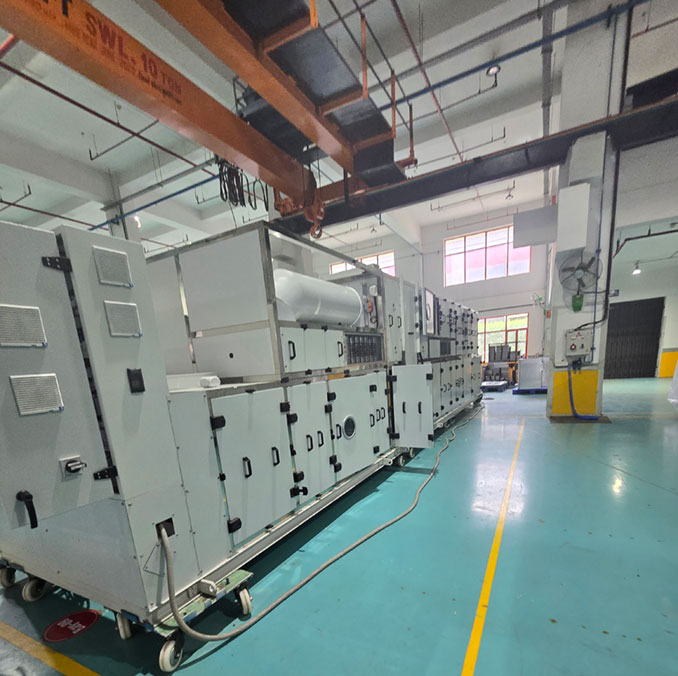
Precision Humidity Control for Critical Industrial Environments
Pine Group designs, supplies, and installs industrial dehumidification systems for facilities that require stable environmental conditions. Each system is engineered around the specific humidity load, airflow requirements, dew point target, and operational needs of the space.
Industrial dehumidification is not a one-size-fits-all solution. Whether the goal is preventing condensation, protecting sensitive equipment, maintaining low dew points, or reducing ice formation, the system must be designed around the facility’s actual operating conditions.
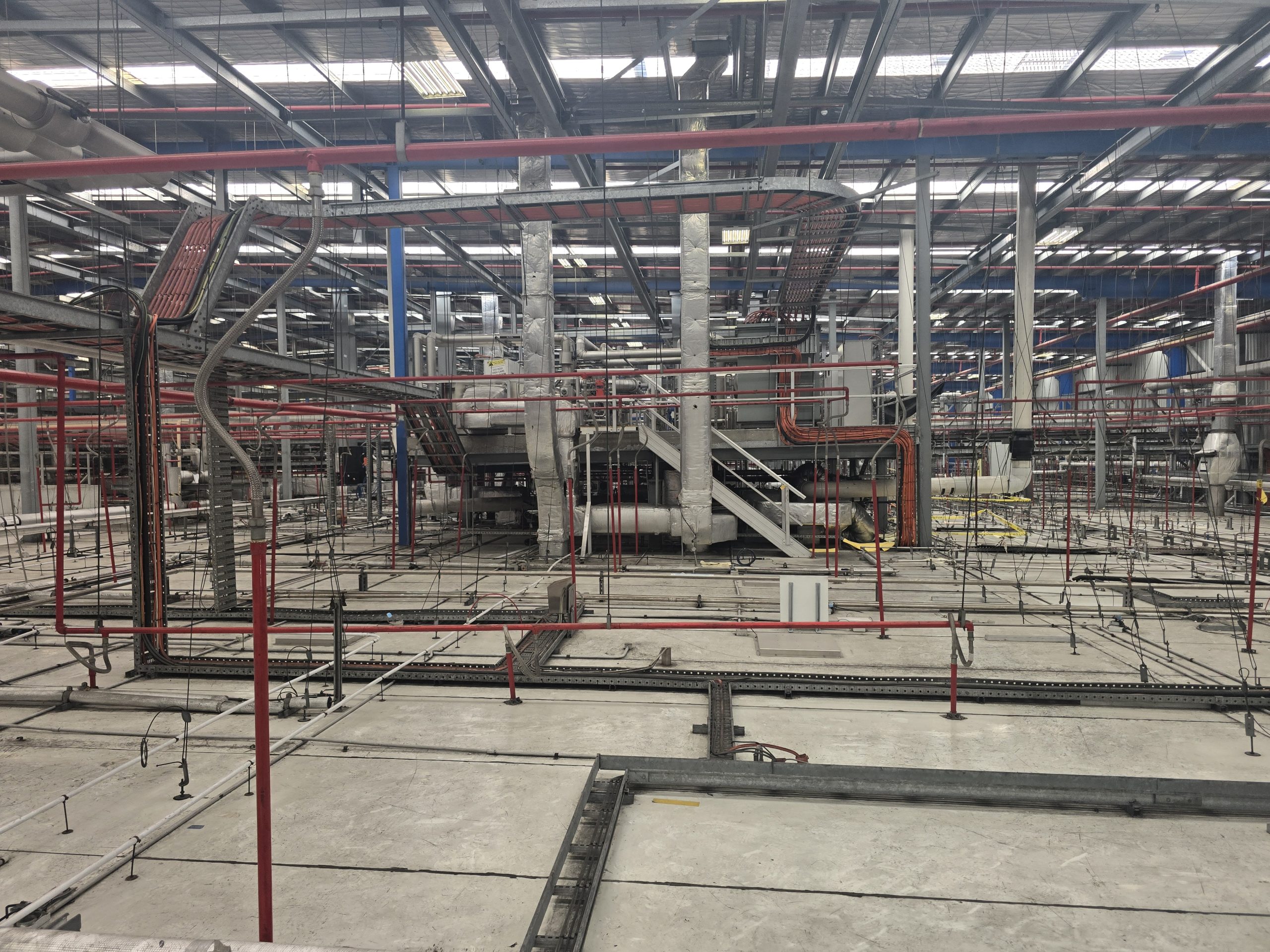
Technical Detail
How It Works
Industrial dehumidification controls moisture by treating incoming or recirculated air before it affects the room, process, equipment, or building structure.
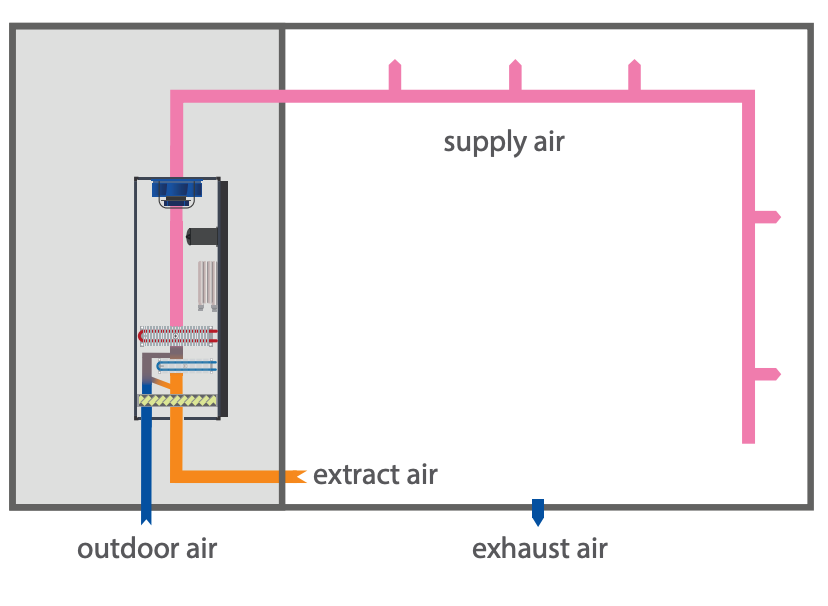
Proper system design involves analysing:
Moisture load is assessed
Ventilation, infiltration, process moisture, and internal humidity sources are reviewed.
Air conditions are calculated
Psychrometric analysis is used to determine dew point, temperature, and airflow requirements.
The right system is selected
Desiccant dehumidifiers, cooling coils, DOAS, dampers, and controls are matched to the application.
Air is treated and supplied
The system delivers controlled supply air to maintain stable room conditions.
Controls maintain performance
Sensors, dampers, and automation help maintain humidity, pressure, and temperature targets.
Engineered for More Than Moisture Removal
A properly designed dehumidification system does more than reduce humidity. It protects products, improves safety, supports process stability, and helps reduce long-term operational issues caused by uncontrolled moisture.
- Prevents condensation and mould growth
- Helps reduce ice and frost formation
- Protects equipment from corrosion
- Supports product and process stability
- Improves safety in cold and freezer environments
- Helps reduce maintenance and downtime
- Supports energy-efficient operation
Industrial Dehumidification Systems We Design & Install
-
Desiccant Dehumidification
For low dew point and critical industrial applications where conventional refrigerant systems may not achieve the required humidity levels.
-
Cooling & Chilled Water Integration
Systems may include pre-cooling coils, post-cooling coils, chillers, hydronic pipework, pumps, and heat recovery.
-
Controls & Pressure Management
Humidity sensors, pressure sensors, dampers, actuators, and automation systems help maintain stable environmental conditions.
Designed Around the Facility, Not Just the Equipment
Reliable humidity control starts with proper engineering. Pine Group evaluates the building, process conditions, airflow arrangement, moisture sources, pressure relationships, and environmental targets before selecting equipment.
- Ventilation humidity loads
- Infiltration moisture loads
- Internal process moisture generation
- Required dew point temperature
- Room pressure relationships
- Sensible and latent heat loads
- Air change rates
- Building envelope performance
- Process operating conditions
Accurate psychrometric calculations help ensure the system can maintain stable environmental conditions across different operating scenarios.
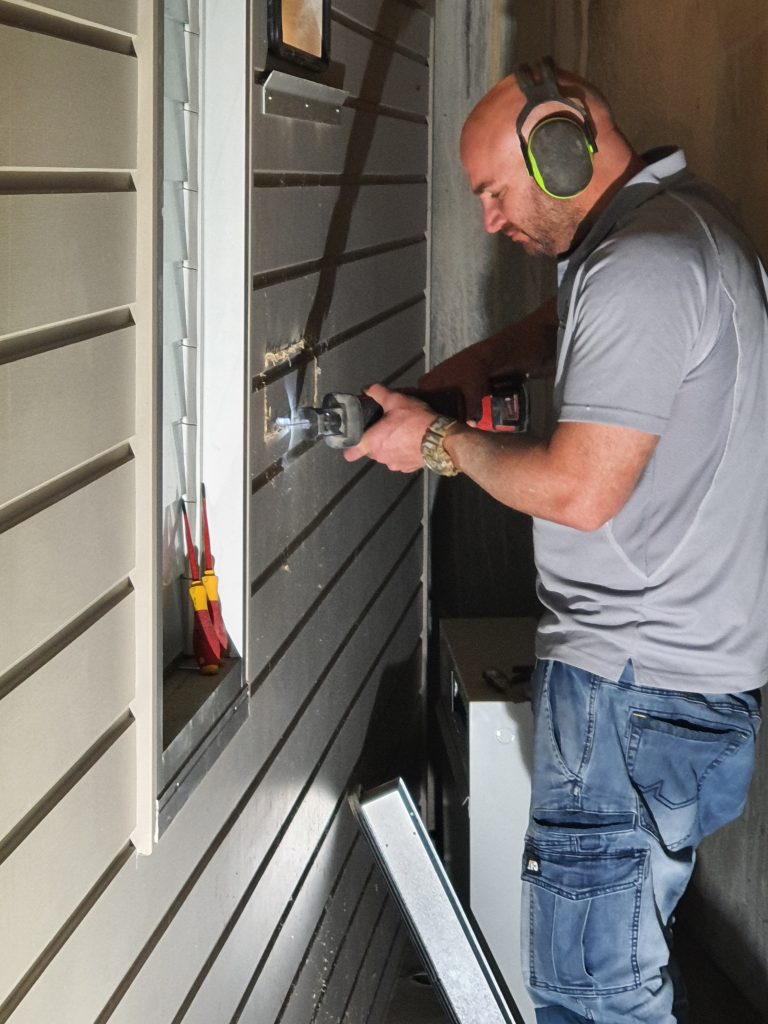
Applications & Use Cases
We design industrial dehumidification systems for facilities where moisture control is essential to safety, performance, and product protection.
Often Combined With
-
Heat Recovery Ventilation
HRV works alongside dehumidification — providing fresh air while the dehumidifier controls moisture levels.
Explore HRV -
Energy Recovery Ventilation
ERV is the preferred system when both heat and moisture transfer between air streams is required.
Explore ERV -
Air Handling Units
For large facilities requiring centralised control, dehumidification is often integrated into a custom AHU.
Explore AHU
Got a Humidity
Control Challenge?
Talk to our team about the right dehumidification configuration for your facility.